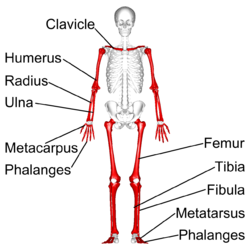
Long Bone Labeled : Bones Veterinary Online Human Bones Anatomy Basic Anatomy And Physiology Human Body Anatomy. They are one of five types of bones: Long bones are found in the arms (humerus, ulna, radius) and legs (femur, tibia, fibula), as well as in the fingers (metacarpals, phalanges) and toes (metatarsals, phalanges). It is very strong to support the body's weight, made up mostly of compact bone and some inner spongy bone (described below). The diaphysis is the tubular shaft that runs between the proximal and distal ends of the bone. Bone section spongy bone long bones epiphysis human femur compact bone anatomy structure of a bone bone marrow illustration long bone structure yellow bone marrow.
In this lecture we take a look at what makes up a long bone in the body. The interior part of the long bone is called the medullary cavity; Label the long bone purposegames. The diaphysis is the tubular shaft that runs between the proximal and distal ends of the bone. Long bones are found in the arms (humerus, ulna, radius) and legs (femur, tibia, fibula), as well as in the fingers (metacarpals, phalanges) and toes (metatarsals, phalanges).
Long Bone Wikipedia from upload.wikimedia.org Bone · august 7, 2016. Its lower end helps create the knee joint. A long bone is longer than it is wide. The structure of a long bone: The inner core of the bone cavity is composed of marrow. This is due to the shape of the bones, not their size. The blood vessels inside a bone. A typical long bone shows the gross anatomical characteristics of bone.
The thigh bone (femur) is a long bone.
Long bones include the humerus (upper arm), radius (forearm), ulna (forearm), femur (thigh), fibula (thin bone of the lower leg), tibia (shin bone), phalanges (digital bones in the hands and feet), metacarpals (long bones within the hand), and metatarsals (long bones within the feet). Dense irregular connective tissue that lines the medullary cavities of long bones. The surface of long bones is covered by the periosteum, a membrane connecting the processes responsible for. The long bones of the arms are the radius and ulna. Long bones, especially the femur and tibia, are subjected to most of the load during daily activities and they are crucial for skeletal mobility. Long bones are found in the arms (humerus, ulna, radius) and legs (femur, tibia, fibula), as well as in the fingers (metacarpals, phalanges) and toes (metatarsals, phalanges). They are one of five types of bones: The long bones in the legs are the femur, tibia, and fibula. Its lower end helps create the knee joint. Some bones in the fingers are classified as long bones, even though they are short in length. The majority of the appendicular skeleton is composed of long bones (aside from the carpals and tarsals). The walls of the diaphysis are composed of dense and hard compact bone. The tough membrane covering the shaft of the bone.
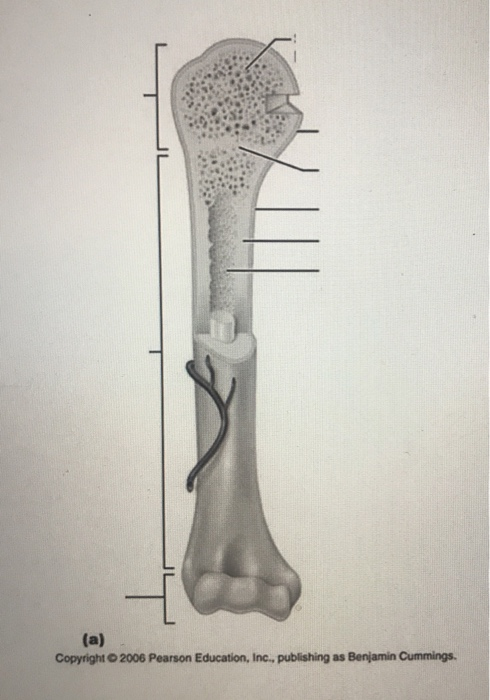
Start studying long bone labeled. The surface of long bones is covered by the periosteum, a membrane connecting the processes responsible for. The diaphysis is the tubular shaft that runs between the proximal and distal ends of the bone. A long bone has two parts: Label the parts of a long bone.
Homework Read Chap 6 Study All The Bone from slidetodoc.com Dense irregular connective tissue that lines the medullary cavities of long bones. The diaphysis and the epiphysis. Label the parts of a long bone. Long bones include the humerus (upper arm), radius (forearm), ulna (forearm), femur (thigh), fibula (thin bone of the lower leg), tibia (shin bone), phalanges (digital bones in the hands and feet), metacarpals (long bones within the hand), and metatarsals (long bones within the feet). The membrane lining the bone cavity. The tough membrane covering the shaft of the bone. In general, the long bones form by endochondral ossification. Long bone labeled diagram :
Below, you can find an unlabeled diagram ready for.
A typical long bone showing gross anatomical features. Long bones include the humerus (upper arm), radius (forearm), ulna (forearm), femur (thigh), fibula (thin bone of the lower leg), tibia (shin bone), phalanges (digital bones in the hands and feet), metacarpals (long bones within the hand), and metatarsals (long bones within the feet). The blood vessels inside a bone. They are composed mostly of compact bone, and are roughly cylindrical in shape with enlarged ends filled with spongy bone. The diaphysis is the tubular shaft that runs between the proximal and distal ends of the bone. The thigh bone (femur) is a long bone. The wider section at each end of the bone is called the epiphysis (plural = epiphyses), which is filled internally with spongy bone, another type of osseous tissue. Label the long bone purposegames. Label the parts of a long bone. Anatomy of long bone and classification of joints prepared by dr dipendramaharjan 1st yr resident, nams 2. The diaphysis and the epiphysis. The long bones (ossa longa) are those that are longer than they are wide. The long bones have a long, central shaft that enlarges at the ends into epiphysis.
Anatomy of long bone and classification of joints prepared by dr dipendramaharjan 1st yr resident, nams 2. The surface of long bones is covered by the periosteum, a membrane connecting the processes responsible for. They are one of five types of bones: In this lecture we take a look at what makes up a long bone in the body. The diaphysis is the tubular shaft that runs between the proximal and distal ends of the bone.
1 Label The Following Features Of A Long Bone Chegg Com from media.cheggcdn.com Longs bones are hard, dense bones that provide structure and mobility. Bone test anatomy and physiology 12 photos of the bone test anatomy and physiology anatomy and physiology bone lab test, anatomy and physiology bone markings test, anatomy and physiology bone practical test, anatomy and physiology bone tissue test, anatomy and physiology test on bone tissue, bone, anatomy and physiology. Bone section spongy bone long bones epiphysis human femur compact bone anatomy structure of a bone bone marrow illustration long bone structure yellow bone marrow. The blood vessels inside a bone. Long bones are found in the arms (humerus, ulna, radius) and legs (femur, tibia, fibula), as well as in the fingers (metacarpals, phalanges) and toes (metatarsals, phalanges). The long bones (ossa longa) are those that are longer than they are wide. 'human biology explained' is a y. The membrane lining the bone cavity.
Long bone labeled diagram :
The blood vessels inside a bone. The diaphysis is the tubular shaft that runs between the proximal and distal ends of the bone. Long bones are 1 of the 5 types of bones in the human body and are defined as those that are longer than they are wide. Long bones include the humerus (upper arm), radius (forearm), ulna (forearm), femur (thigh), fibula (thin bone of the lower leg), tibia (shin bone), phalanges (digital bones in the hands and feet), metacarpals (long bones within the hand), and metatarsals (long bones within the feet). The diaphysis and the epiphysis. The long bones of the arms are the radius and ulna. Some bones in the fingers are classified as long bones, even though they are short in length. The inner core of the bone cavity is composed of marrow. Longs bones are hard, dense bones that provide structure and mobility. The shiny, articulating cartilage on the ends of a bone. Figure 1 bone terminology diagram. Bone section spongy bone long bones epiphysis human femur compact bone anatomy structure of a bone bone marrow illustration long bone structure yellow bone marrow. Long, short, flat, irregular and sesamoid.